

Residential & Inpatient PTSD Treatment
Trauma-Focused Care, Around the Clock.
Intensive treatment for severe and complex PTSD.
When trauma symptoms have become too much to manage at home, residential PTSD treatment gives adults a safe, structured place to heal. Victory Bay provides Joint Commission-accredited, round-the-clock residential care built around evidence-based, trauma-focused therapies — Cognitive Processing Therapy (CPT), Prolonged Exposure (PE), and EMDR — delivered intensively rather than once a week. Our admissions team is available any time to talk through your situation and how to get started.
Medically reviewed byLeslie Madrak, DO, Psychiatrist, Medical Director · Reviewed June 2026
What Is Residential PTSD Treatment?
Residential PTSD treatment is a live-in level of care where adults stay at an accredited facility and receive 24/7 clinical support focused on trauma recovery. It combines trauma-focused therapies — CPT, Prolonged Exposure, and EMDR — with psychiatric medication management and structured daily programming, delivered intensively for severe or complex PTSD that outpatient care has not been able to resolve.
Start Trauma-Focused Treatment Today.
Tell us a little about yourself and our admissions team will reach out about residential availability, what trauma-focused care looks like, and insurance — we are here 24/7.
Request a Callback
Prefer not to call right now? Leave your details and our admissions team will reach out about residential PTSD treatment options, what to expect, and insurance coverage.
- Covered by Most Insurances
- 24/7 Residential & Inpatient Care
- 5-Star Rated Treatment Programs
- Experience In Various Therapeutic Modalities
- World-Class Clinical & Medical Teams
- Individually Tailored Treatment Programs
- Excellent Alumni & Graduate Program
- Simple & Quick Admissions Process
- No Out-Of-Pocket Costs For Many Patients
Residential Care for a Wide Range of Trauma and PTSD
PTSD can follow many kinds of trauma. Residential treatment is built for adults whose symptoms are severe, escalating, or no longer safe to manage at home — including people stepping down from inpatient care and those for whom outpatient therapy has not been enough.

Combat & Military Trauma
PTSD is markedly more common among those who have served — roughly 11 to 20 out of every 100 veterans of recent conflicts such as Iraq and Afghanistan experience PTSD in a given year (National Center for PTSD, VA). Residential care delivers CPT, Prolonged Exposure, and EMDR intensively, with 24/7 support, for service-related trauma.

Abuse & Assault
Sexual and physical assault are among the most common causes of PTSD, and women develop PTSD at roughly twice the lifetime rate of men — about 8% versus 4% (National Center for PTSD, VA). Residential treatment offers trauma-focused therapy in a safe, structured environment, at a pace your nervous system can tolerate.

Accident & Injury
Serious accidents, fires, and other sudden, life-threatening events are leading causes of PTSD. About 6% of U.S. adults will have PTSD at some point in their lives (National Center for PTSD, VA). Residential care combines individual trauma-focused therapy with group support to process the event and rebuild a sense of safety.
Medical Trauma
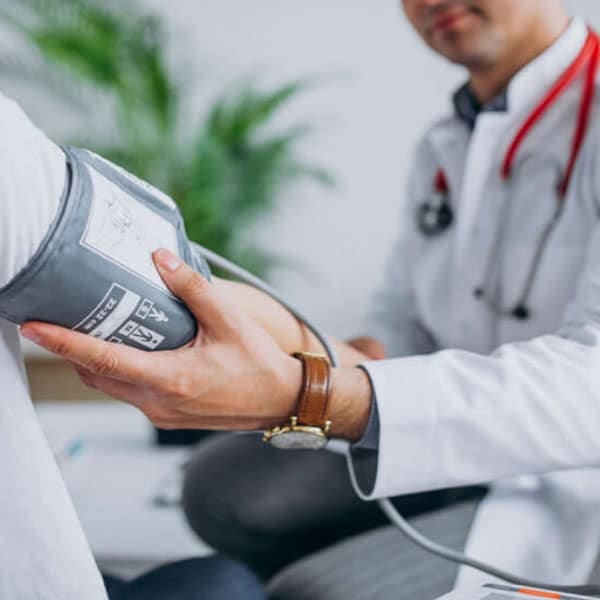
Frightening medical events — ICU stays, emergency surgery, or a life-threatening diagnosis — can leave lasting trauma symptoms. With 24/7 clinical and medical staff on site, residential treatment addresses medical trauma while monitoring any related physical health needs in one structured setting.

Complex PTSD
Complex PTSD develops after prolonged or repeated trauma, often beginning in childhood, and tends to need more than weekly outpatient sessions. Residential treatment provides the intensive, daily, trauma-focused work and round-the-clock stability that complex trauma recovery requires.

Co-Occurring Anxiety & Depression
PTSD rarely travels alone — many adults also live with anxiety, depression, or substance use. Residential treatment addresses trauma and co-occurring conditions together, with psychiatric medication management and 24/7 support, rather than treating each one in isolation.


We Accept Health Insurance As Payment
We are contracted with most national health insurance providers. For many adults with commercial insurance, out-of-pocket costs are minimal after deductible — our admissions team verifies your exact benefits the same day you call.


Don't see your health insurance carrier? That's OK! We accept virtually every commercial insurance plan.
Unfortunately, we do NOT accept Medicare or Medicaid at this time.
Call today to verify your coverage:
(844) 528-0938Patient Reviews of Victory Bay
We take great pride in our ability to provide exceptional mental health treatment services to those seeking to live a more vibrant, fulfilling life. Feel free to browse these authentic reviews left by REAL patients that are directly pulled from our online business listing!
Not Sure If Residential Trauma Care Is the Right Step? Let's Talk.
Most people are not sure whether their trauma needs residential care, inpatient stabilization, or a lower level of support. A ten-minute phone call with our admissions team — at no cost and no obligation — will give you a clear answer.
We are ALWAYS here for you!
(844) 528-0938How PTSD Treatment Works
Residential PTSD treatment begins with a thorough clinical assessment, then a structured daily schedule built around trauma recovery. Days combine trauma-focused therapies — Cognitive Processing Therapy (CPT), Prolonged Exposure (PE), and EMDR — with group sessions, psychiatric medication management, and skills work, all supported by 24/7 clinical and medical staff. Living in a stable environment, away from the triggers of daily life, lets you do this difficult work at a pace your nervous system can tolerate.
Length of stay is individualized, typically a few weeks, and is reviewed continually by your care team. As your symptoms stabilize, we plan your step-down to a lower level of care so progress holds after you leave. Our admissions team is available 24/7 to explain the process, verify your insurance, and help you take the first step.

Residential PTSD Treatment — Frequently Asked Questions
What is residential PTSD treatment?
Residential PTSD treatment is a live-in level of care where adults stay at an accredited facility with 24/7 clinical and medical support focused on trauma recovery. It delivers trauma-focused therapies — CPT, Prolonged Exposure, and EMDR — intensively alongside psychiatric medication management and structured daily programming, designed for severe or complex PTSD that outpatient care has not been able to resolve.
What therapies are used to treat PTSD?
Victory Bay's program centers on the trauma-focused therapies with the strongest evidence: Cognitive Processing Therapy (CPT), Prolonged Exposure (PE), and EMDR. Delivered in a residential setting, these therapies happen far more frequently than weekly outpatient sessions, with psychiatric medication management and group support around them. Your care team tailors the approach to your trauma history and goals.
When is residential PTSD care needed instead of outpatient?
Residential care is appropriate when trauma symptoms are severe, escalating, or unsafe to manage at home, when flashbacks or avoidance are disrupting daily life, or when outpatient therapy has not been enough. A brief phone assessment with our admissions team helps determine the right level of care — and we are available 24/7 to talk it through with you or a loved one.
How long does residential PTSD treatment last?
Length of stay is individualized and depends on your symptoms, trauma history, and progress — often a few weeks, sometimes longer. Your care team reviews your plan continually and begins planning your step-down to a lower level of care as you stabilize. The goal is lasting recovery, not a fixed number of days.
Which insurance plans does Victory Bay accept?
Victory Bay accepts Cigna, UnitedHealthcare, Blue Cross Blue Shield, Anthem, and Aetna. We do not accept Medicare or Medicaid at this time. Because coverage varies by plan, our admissions team verifies your specific benefits before you start so you understand any out-of-pocket costs in advance. Call us and we will check your coverage quickly.
Explore Related Programs
If residential PTSD care is not the right level for you, these options may fit your needs.
Ready to begin trauma-focused recovery? Let's talk.
Have questions about residential PTSD treatment, what trauma-focused therapy looks like, or insurance? Our admissions team can answer in a single call, any time of day.
(844) 528-0938Not Quite Ready to Call? Let Us Call You!
If you'd like us to reach out to you at a specific time, please fill out the form below. All fields in form are required for submission.