
PTSD Treatment in Massachusetts
Evidence-Based, Trauma-Focused Care.
Process what happened at a pace your nervous system can tolerate.
At our Woburn clinic, Massachusetts adults — from Greater Boston to Western Massachusetts, serving communities in every county across the Bay State — can access the PTSD therapies backed by the strongest research: Cognitive Processing Therapy (CPT), Prolonged Exposure (PE), and EMDR, with psychiatric medication added when it helps. We offer both weekly outpatient sessions and the added structure of our Intensive Outpatient Program (IOP), with daytime and evening tracks, so trauma recovery fits alongside your work, home, and relationships.
Medically reviewed byLeslie Madrak, DO, Psychiatrist, Medical Director · Reviewed June 2026
What Is PTSD Treatment?
PTSD treatment is evidence-based, trauma-focused care that helps the brain and nervous system process a traumatic experience at a tolerable pace. The therapies with the strongest research support are Cognitive Processing Therapy (CPT), Prolonged Exposure (PE), and EMDR, often paired with psychiatric medication, delivered through structured individual and group sessions — at our Woburn clinic as weekly outpatient care or a more intensive IOP.
Start PTSD Treatment Today.
Tell us a little about yourself and our admissions team will reach out about trauma-focused care options — most insurances accepted, daytime and evening tracks open.
Request a Callback
Prefer not to call right now? Leave your details and our admissions team will reach out about PTSD treatment options, scheduling, and insurance coverage.
- Covered by Most Insurances
- Multiple Convenient Locations
- 5-Star Rated Treatment Programs
- Experience In Various Therapeutic Modalities
- World-Class Clinical & Medical Teams
- Individually Tailored Treatment Programs
- Excellent Alumni & Graduate Program
- Simple & Quick Admissions Process
- No Out-Of-Pocket Costs For Many Patients
PTSD Treatment for a Wide Range of Traumatic Experiences
Trauma takes many forms, and PTSD shows up differently for everyone. Our care is matched to your history and your goals — whether the trauma was a single event or built up over years.

Combat & Military Trauma
Among veterans of recent conflicts, an estimated 11 to 20 percent experience PTSD in a given year (National Center for PTSD, VA). CPT and Prolonged Exposure help service members and veterans process combat-related trauma and reconnect with daily life.

Abuse & Assault
About 6 percent of U.S. adults will have PTSD at some point, with women affected at roughly twice the rate of men (National Center for PTSD, VA). Trauma-focused therapy offers a safe, structured space to process abuse and assault at a pace you control.

Accident & Injury
Serious accidents are among the most common triggers of PTSD in the general population. EMDR and CPT help the brain reprocess the memory of a crash, fall, or injury so it stops intruding on the present.
Medical Trauma
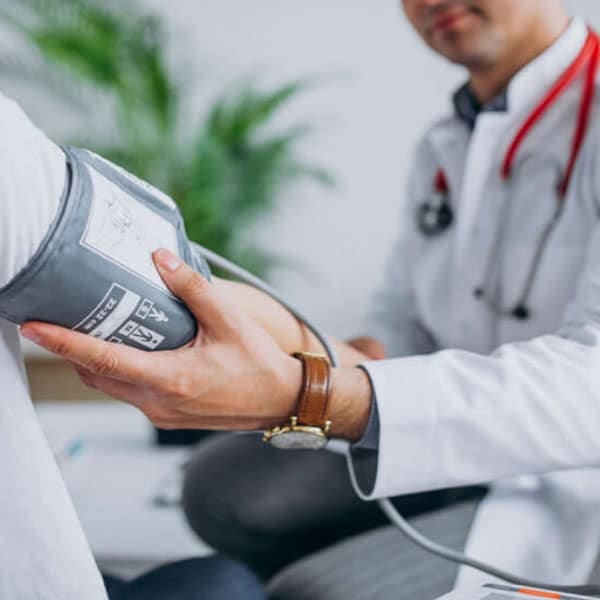
Life-threatening illness, intensive care, and frightening procedures can lead to PTSD. Trauma-focused therapy addresses the fear, hypervigilance, and avoidance that can linger long after the body has healed.

Complex PTSD
Prolonged or repeated trauma — childhood abuse, ongoing violence, captivity — can produce complex PTSD, with added difficulty regulating emotions and sense of self. Treatment pairs trauma processing with skills for stability and safety.

Co-Occurring Anxiety & Depression
PTSD often occurs alongside depression and anxiety. Integrated care treats trauma and co-occurring conditions together, with psychiatric medication management when indicated, rather than in isolation.


Safe & Private Treatment Facilities
Our Woburn clinic is purpose-built for trauma-focused outpatient care — quiet group rooms, private offices for individual sessions, and calm common areas that respect your time and privacy when you arrive for programming.


We Accept Health Insurance As Payment
We are contracted with most national health insurance providers, as well as Massachusetts-area plans. For many Bay State residents with commercial insurance, out-of-pocket costs are minimal after deductible — our admissions team verifies your exact benefits the same day you call.


Don't see your health insurance carrier? That's OK! We accept virtually every commercial insurance plan.
Unfortunately, we do NOT accept Medicare or Medicaid at this time.
Call today to verify your coverage:
(781) 371-8850Patient Reviews of Victory Bay
We take great pride in our ability to provide exceptional mental health treatment services to those seeking to live a more vibrant, fulfilling life. Feel free to browse these authentic reviews left by REAL patients that are directly pulled from our online business listing!
Wondering if Trauma Treatment Is Right for You? Let's Talk.
Many people are not sure whether their symptoms point to PTSD or whether they are ready to begin trauma work. A ten-minute call with our admissions team — at no cost and no obligation — will give you a clear answer.
We are ALWAYS here for you!
(781) 371-8850How PTSD Treatment Works at Our Woburn Clinic
We build PTSD care around the three therapies with the deepest evidence base. Cognitive Processing Therapy (CPT) helps you identify and reshape the stuck beliefs trauma leaves behind. Prolonged Exposure (PE) gradually loosens the grip of the memories and situations you have been avoiding. EMDR uses guided processing to help the brain store traumatic memories where they belong — in the past. When symptoms warrant it, psychiatric medication management is added so the trauma work can take hold.
Safety and pacing come first. Before and during trauma processing, your clinician helps you build grounding and coping skills so the work stays within your window of tolerance instead of overwhelming you. We track progress with validated symptom measures and adjust the plan as you respond. With weekly outpatient and IOP options on daytime and evening tracks, Massachusetts adults can do this work without stepping away from their jobs, routines, and relationships.

Massachusetts PTSD Treatment — Frequently Asked Questions
What is the most effective treatment for PTSD?
The approaches with the strongest research support are trauma-focused psychotherapies — Cognitive Processing Therapy (CPT), Prolonged Exposure (PE), and EMDR — sometimes combined with antidepressant medication. The best fit depends on your trauma history and preferences, which your clinician reviews with you at intake to build a plan around your goals.
Do you offer EMDR in Massachusetts?
Yes. EMDR (Eye Movement Desensitization and Reprocessing) is one of the trauma-focused therapies we provide at our Woburn clinic, alongside CPT and Prolonged Exposure. Our clinicians match the approach to your needs and can explain how EMDR sessions are structured and whether it may be a good fit for you.
Is PTSD treatment here outpatient or residential?
Our Woburn program provides PTSD treatment on an outpatient basis — weekly therapy and an Intensive Outpatient Program (IOP) — so you return home each day while you do the work. There is no overnight or residential stay. Daytime and evening tracks make it easier to fit care around work and family.
How long does PTSD treatment take?
Trauma-focused therapies like CPT and PE are often delivered over roughly eight to fifteen sessions, though the timeline depends on your goals, the nature of the trauma, and whether other conditions are present. Your team reviews progress regularly using validated measures and adjusts the plan based on how you respond to care.
Which insurance plans does Victory Bay accept?
Victory Bay accepts Cigna, UnitedHealthcare, Blue Cross Blue Shield, Anthem, and Aetna. We do not accept Medicare or Medicaid at this time. Because coverage varies by plan, our admissions team verifies your specific benefits before you start so you understand any out-of-pocket costs in advance. Call us and we will check your coverage quickly.
Explore Related Programs
If PTSD treatment is not the right starting point, these options may fit your needs.
Ready to start PTSD treatment? Let's find an approach that fits you.
Have questions about CPT, Prolonged Exposure, EMDR, insurance, or what a typical week looks like? Our admissions team can answer in a single call.
(781) 371-8850Not Quite Ready to Call? Let Us Call You!
If you'd like us to reach out to you at a specific time, please fill out the form below. All fields in form are required for submission.